
Pressure Regulation Optimization
Develop oil pump systems with stable pressure behavior across cold start, warm-up, high RPM, and dynamic load changes. We optimize relief valve response, pressure control, and hydraulic stability for engine and transmission applications.
Why pressure regulation is critical
Oil pump systems must maintain the right pressure without instability, oversupply, or valve oscillation. Poor regulation can increase losses, create pulsation, affect lubrication reliability, and disturb hydraulic control functions.
Pressure regulation optimization targets


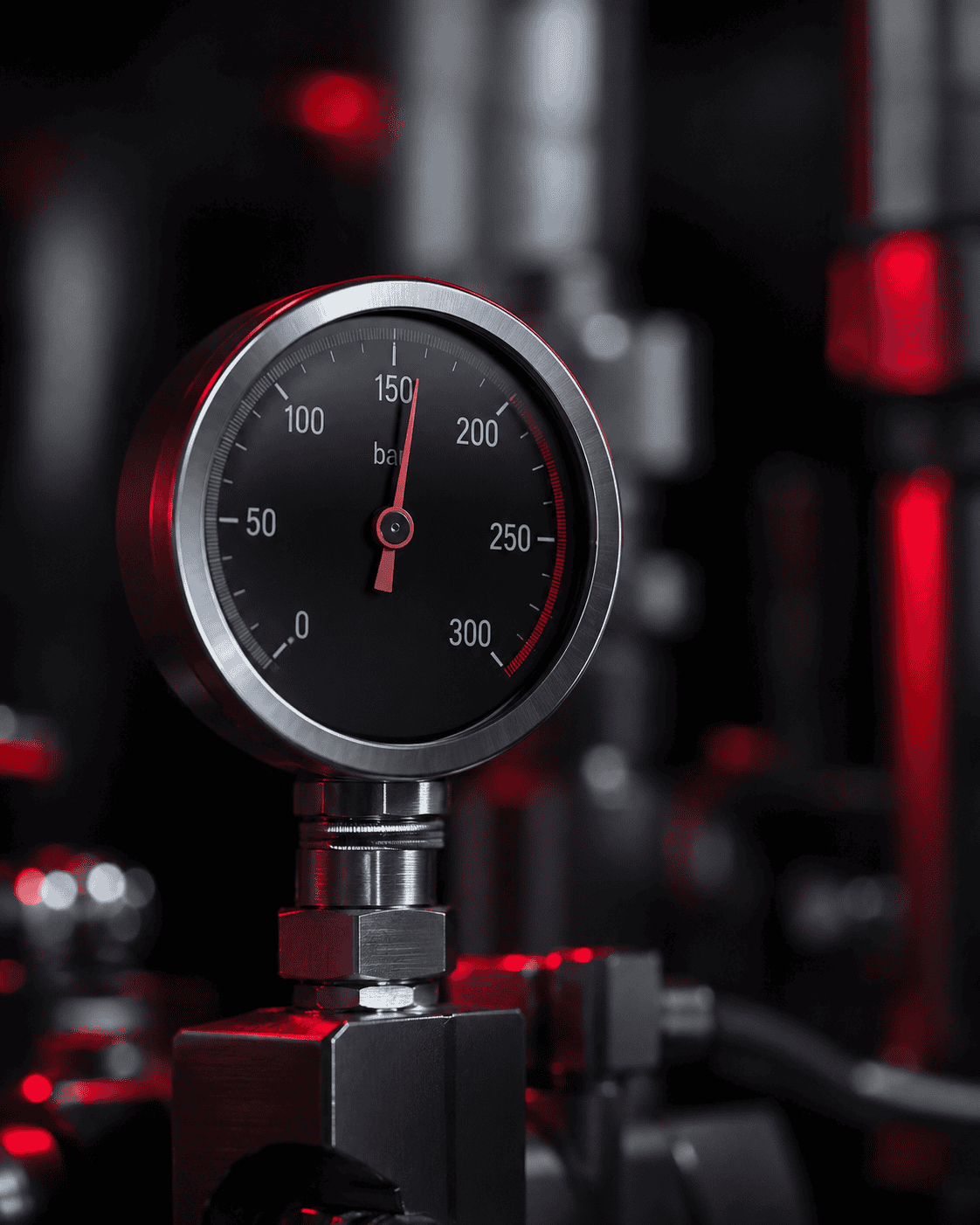
Our Approach to Control


Applications demanding stable pressure
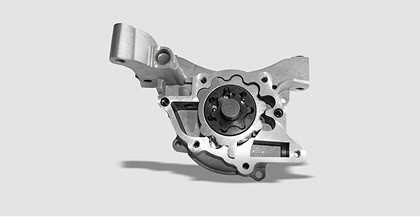
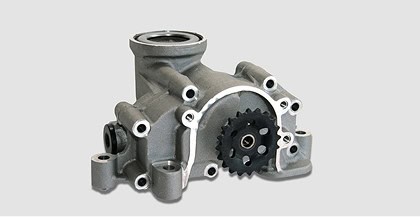
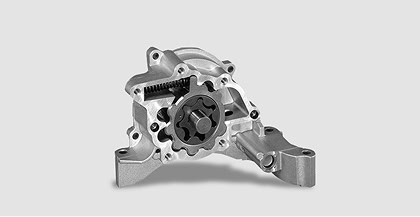
Validated pressure regulation performance.
We optimize prototypes on our test rig for relief valve behavior, pressure stability, flow delivery, leakage, pulsation, and power consumption—100% tested with full test reports. This supports customer validation and series readiness with production partners.
FAQs
Quick answers to practical engineering questions about oil pump pressure regulation, relief valve behavior, pressure stability, cold-start control, validation, and system-level optimization.
The relief valve does more than limit maximum pressure. If it opens, closes, or bypasses oil unstably, it can create pressure oscillation, pulsation, noise, unnecessary power loss, and unstable lubrication or hydraulic control behavior.
Cold oil viscosity, high pump displacement, restricted flow paths, fast pressure build-up, and relief valve response can create pressure overshoot or unstable bypass behavior. The pump and regulation concept must be tuned for these operating points.
Often, yes. Depending on the issue, improvements may be possible through relief valve geometry, spring characteristics, damping, bypass flow, leakage control, suction behavior, or targeted housing and interface changes.
Useful inputs include pressure traces, flow demand, RPM range, oil temperature, viscosity, relief valve layout, bypass path, suction conditions, operating points where instability occurs, and any NVH or pulsation measurements.
If the pump regularly generates more pressure or flow than required, excess energy is lost through bypass flow and hydraulic restriction. Stable regulation helps maintain safe supply while reducing unnecessary drive losses.
Prototype pump systems can be tested for relief valve response, pressure overshoot, pressure stability, pulsation, leakage, flow delivery, power consumption, and temperature influence across relevant operating points.