
Why NVH is critical
As engines become quieter and electrified powertrains reduce combustion noise, pump acoustics move to the foreground. Hydraulic “pump whine” becomes a key NVH challenge in modern vehicle architectures.
NVH optimization targets



Our Approach to Silence


Applications demanding low noise
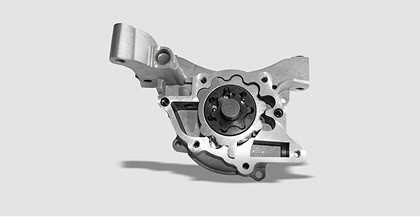
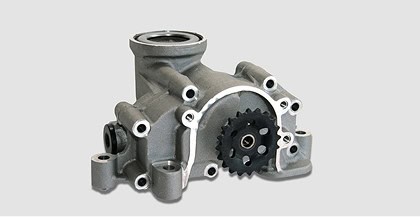
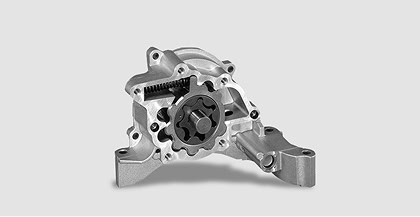
Validated NVH performance.
We optimize prototypes on our test rig for low noise behavior and low pressure pulsation—100% tested with full test reports. This supports customer validation and series readiness with production partners.
FAQs
Quick answers to common questions about oil pump custom development, timelines, validation, and how we support series ramp-up through production partners.
As combustion noise decreases and electrified operation becomes more common, smaller hydraulic and mechanical noise sources become easier to detect. Oil pump gear engagement, pressure pulsation, suction behavior, and housing excitation can create tonal noise that was previously masked by louder drivetrain noise.
High-frequency whine is often linked to gear mesh excitation, tooth engagement, pressure ripple, housing resonance, or structure-borne vibration. The source is not always the pump alone. The surrounding housing, mounting stiffness, and oil circuit can amplify the noise.
Often, yes. Depending on the issue, improvements may be possible through optimized gear geometry, adjusted clearances, modified suction conditions, reduced leakage excitation, improved relief valve behavior, or targeted interface changes within the existing package.
Pressure ripples can excite the oil circuit, valves, housing structures, and connected components. Even if the average pressure is correct, pulsation can create vibration, tonal noise, and unstable hydraulic behavior that affects perceived quality.
Useful inputs include speed range, pressure traces, flow data, oil temperature, viscosity, operating points where the noise appears, acoustic measurements, vibration data, housing layout, suction path geometry, gear set details, and known resonance frequencies.
TPV can evaluate prototype pump systems on test rigs and compare pressure pulsation, noise behavior, vibration response, leakage, flow delivery, and power consumption across relevant operating points. This helps verify whether design changes actually reduce the critical acoustic issue.