
Why efficiency is critical
Oil pumps directly consume mechanical or electrical power. Oversupply, internal leakage, friction, and unstable pressure behavior increase losses and reduce overall drivetrain efficiency across real operating conditions.
Efficiency optimization targets


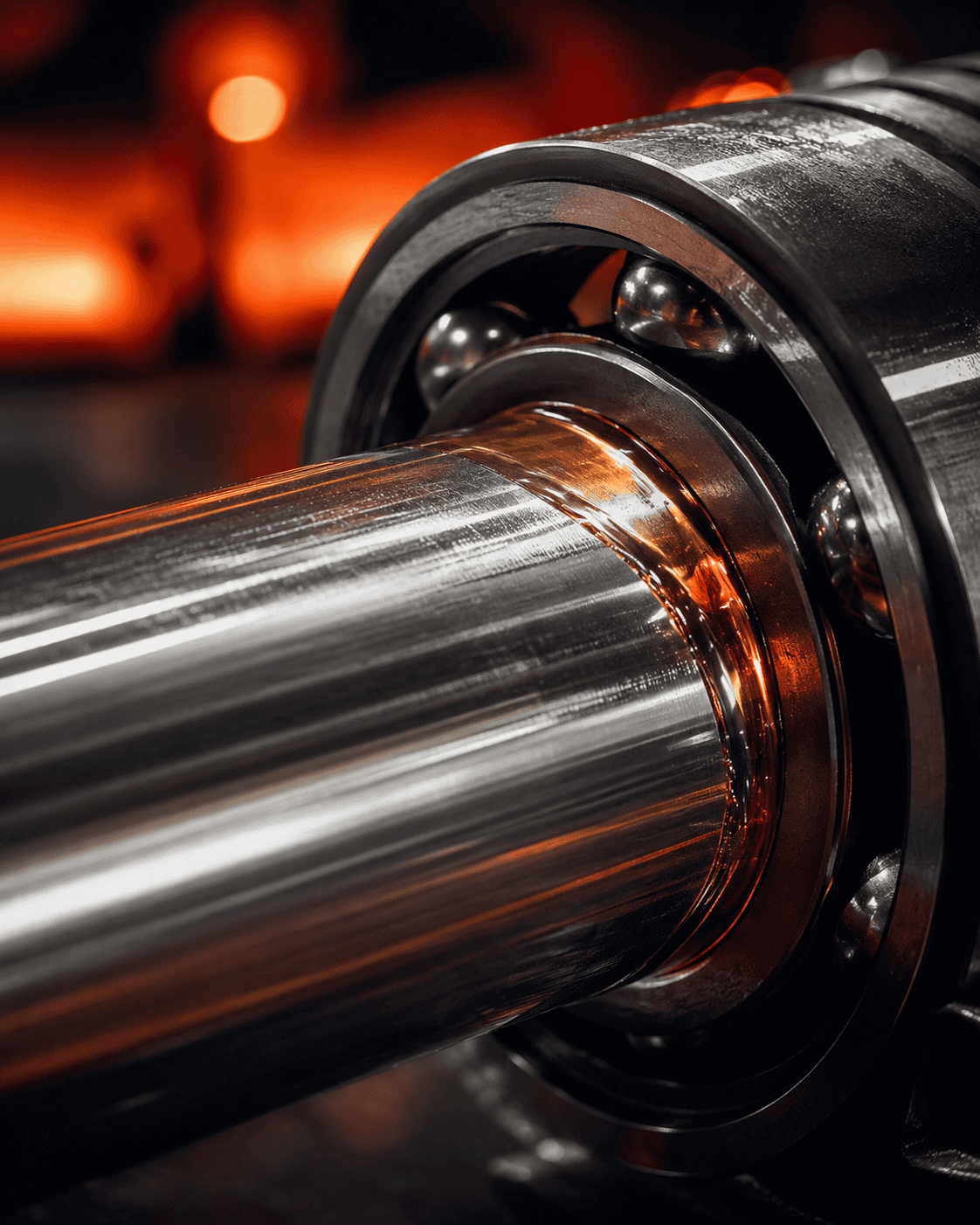
Our Approach to Efficiency


Applications demanding high Durability
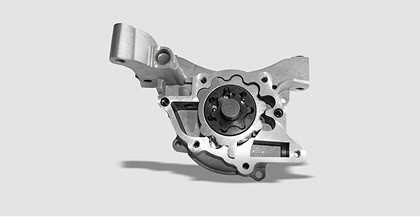
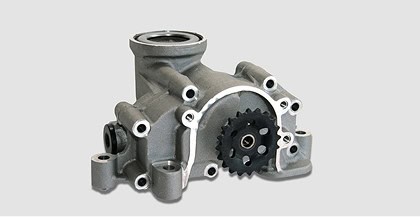
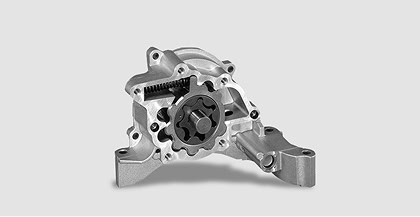
Validated efficiency performance.
We optimize prototypes on our test rig for low power consumption, stable flow delivery, leakage behavior, pressure stability, and low pulsation—100% tested with full test reports. This supports customer validation and series readiness with production partners.
FAQs
Quick answers to practical engineering questions about oil pump efficiency, friction reduction, leakage control, power consumption, validation, and system-level optimization.
Oil pumps consume mechanical or electrical power continuously across many operating points. Oversized flow, unnecessary pressure, friction, and internal leakage increase losses and can reduce overall engine, transmission, or e-powertrain efficiency.
Typical causes include excessive displacement, high internal leakage, unfavorable pressure regulation, inefficient gear geometry, friction at rotor and housing interfaces, poor suction behavior, or flow delivery that is not matched to real system demand.
Yes. The goal is not simply to reduce flow, but to deliver the required flow and pressure with fewer losses. This can involve optimized displacement, leakage gaps, tooth geometry, pressure behavior, and regulation strategy.
Useful inputs include flow demand, pressure targets, RPM range, oil temperature, viscosity, duty cycle, power consumption targets, packaging constraints, regulation strategy, and known loss or leakage issues.
Prototype pump systems can be tested for power consumption, flow delivery, pressure stability, leakage, pulsation, temperature behavior, and relevant operating points. This shows whether efficiency gains are achieved without compromising hydraulic performance.
Ideally before displacement, gear set, pressure strategy, and packaging are frozen. Early involvement helps avoid inefficient oversizing and allows the pump concept to be aligned with the real hydraulic demand of the system.