
Why pulsation is critical
Pressure pulsation can excite valves, lines, housings, bearings, and connected hydraulic circuits. Even when average pressure is correct, ripple can create noise, vibration, control instability, and unnecessary stress in the oil system.
Pulsation Redution optimization targets


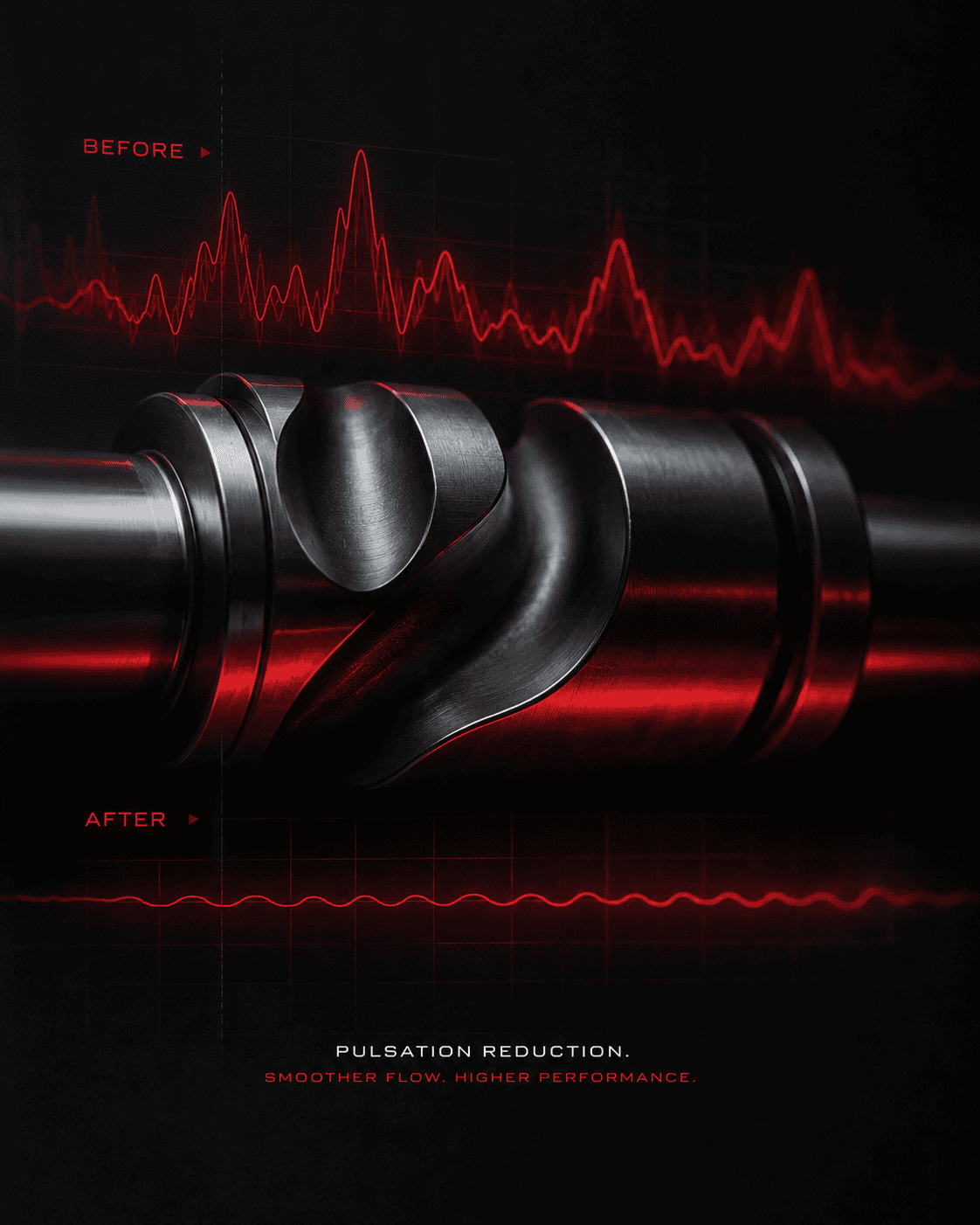
Our Approach to stable Flow


Applications demanding low pulsation
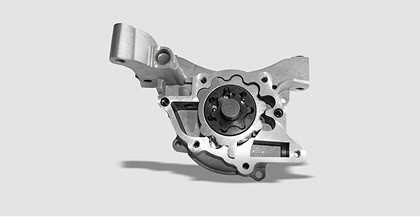
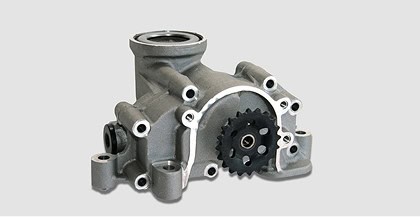
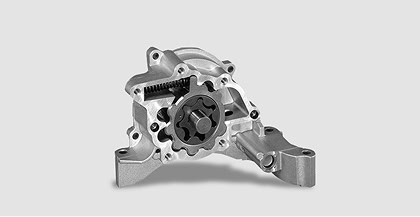
Validated Pulsation Reduction Optimization.
We optimize prototypes on our test rig for low pressure ripple, stable flow delivery, leakage behavior, relief valve response, NVH behavior, and power consumption—100% tested with full test reports. This supports customer validation and series readiness with production partners.
FAQs
Quick answers to practical engineering questions about oil pump pressure pulsation, flow ripple, hydraulic excitation, valve behavior, validation, and system-level stability.
Average pressure only shows part of the picture. Pressure ripple can excite valves, oil lines, housings, and downstream components, causing vibration, tonal noise, unstable control behavior, or increased mechanical stress.
Common causes include gear tooth engagement, trapped oil volumes, displacement variation, leakage behavior, suction restrictions, cavitation tendency, outlet geometry, relief valve interaction, and resonance in the connected hydraulic circuit.
Often, yes. Depending on the root cause, improvements may be possible through optimized gearing, clearances, suction path, outlet design, leakage control, valve behavior, or targeted damping within the existing package.
Useful inputs include pressure traces, flow demand, RPM range, oil temperature, viscosity, suction geometry, outlet layout, relief valve behavior, operating points where pulsation appears, NVH data, and connected circuit information.
Pressure ripple can trigger acoustic issues when it excites housings, valves, or oil lines. It can also interact with relief valves and pressure-control elements, creating unstable regulation or oscillating bypass behavior.
Prototype pump systems can be tested for pressure ripple, flow delivery, leakage, relief valve response, NVH behavior, power consumption, temperature influence, and relevant operating points to verify the improvement before series preparation.