
Duocentric-IC Gear Technology
Trochocentric-developed gearing for compact, efficient, and low-pulsation oil pump systems. Designed to improve displacement, leakage behavior, tooth engagement, and hydraulic performance within demanding engine and transmission packages.
Why gear technology is critical
The gear set defines how an oil pump delivers flow, builds pressure, handles leakage, creates pulsation, and fits into the available package. Small changes in tooth geometry and clearances can strongly affect efficiency, NVH, durability, and system behavior.
Duocentric-IC gearing targets


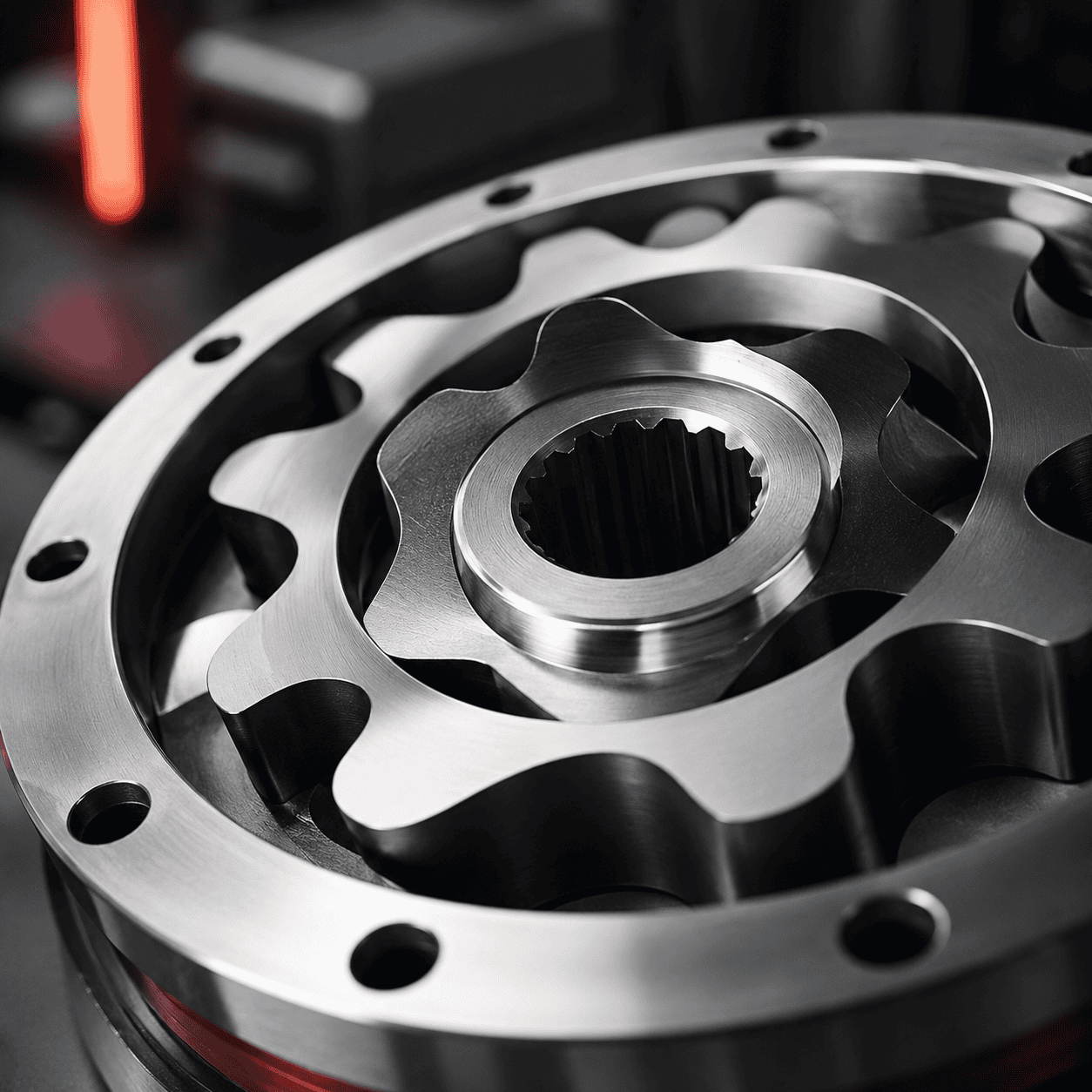
Our Approach to Gear Design


Applications demanding advanced gearing
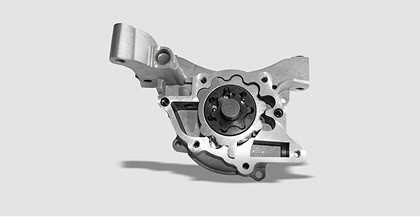
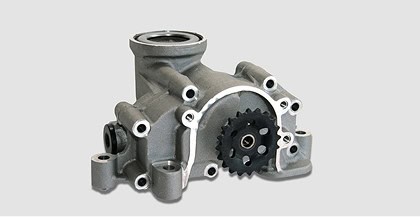
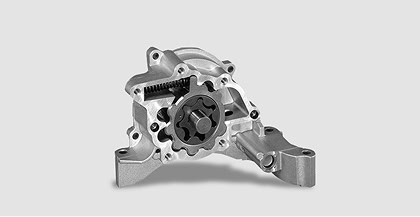
Validated gear performance.
We optimize prototypes on our test rig for flow delivery, leakage behavior, pressure stability, pulsation, NVH behavior, and power consumption—100% tested with full test reports. This supports customer validation and series readiness with production partners.
FAQs
Quick answers to practical engineering questions about Duocentric-IC gearing, oil pump performance, leakage behavior, pulsation, NVH, packaging, and prototype validation.
Duocentric-IC gear technology is used in compact oil pump systems where displacement, leakage behavior, pressure stability, pulsation, NVH, and packaging must be optimized together. It is relevant for engine, transmission, and electric driven pump applications.
Gear geometry influences displacement, tooth engagement, leakage paths, pressure ripple, mechanical excitation, friction, and wear. This makes the gear set one of the key design elements for hydraulic performance and system behavior.
In many applications, yes. The goal is to improve displacement density and hydraulic performance within the available pump envelope instead of simply increasing the housing size.
Reduced leakage gaps can improve volumetric efficiency and help maintain stable flow and pressure. This is especially important when compact packaging, low power consumption, and reliable hydraulic supply must be balanced.
The design focus is on optimized clearances, roll-off behavior, smoother tooth engagement, reduced leakage, and lower pulsation. The exact implementation depends on the application, package, pressure targets, and production requirements.
Prototype pump systems can be tested for flow delivery, leakage behavior, pressure stability, pulsation, NVH behavior, power consumption, temperature influence, and relevant operating points before series preparation.