
Why durability is critical
Oil pumps operate continuously under changing speed, pressure, temperature, and viscosity conditions. Small design or material weaknesses can lead to wear, leakage, loss of efficiency, or reduced system reliability over lifetime.
Durability engineering targets


Our Approach to Reliability


Applications demanding
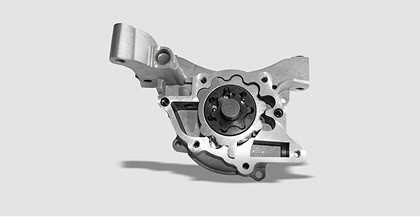
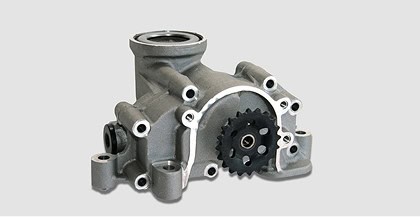
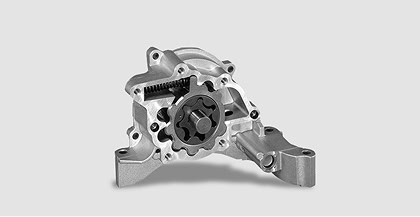
Validated durability performance.
We optimize prototypes on our test rig for stable oil supply, leakage behavior, pressure stability, power consumption, and durability-relevant operating points—100% tested with full test reports. This supports customer validation and series readiness with production partners.
FAQs
Quick answers to practical engineering questions about oil pump durability, material selection, wear behavior, thermal stability, validation, and series-ready pump development.
Oil pump materials influence wear behavior, leakage gaps, thermal expansion, dimensional stability, friction, manufacturability, and long-term hydraulic performance. A good gear geometry can still fail if the material combination is not suited to the duty cycle.
Common risks include rotor wear, housing wear, scoring, excessive leakage, thermal distortion, bearing or shaft wear, cavitation damage, contamination sensitivity, and loss of pressure stability over lifetime.
Often, yes. Improvements can come from optimized clearances, gear micro-geometry, surface quality, material pairing, lubrication path design, suction behavior, and better control of thermal expansion within the existing package.
Useful inputs include duty cycle, pressure and flow targets, speed range, oil temperature range, viscosity, expected service life, contamination exposure, start-stop frequency, load cases, packaging constraints, and known wear or leakage issues.
Ideally before gear set, housing, clearances, and production method are frozen. Early involvement helps align durability targets, material behavior, manufacturability, cost, and long-term system performance before expensive constraints are locked.