
Why packaging is critical
Oil pump performance depends on more than the pump itself. Suction geometry, mounting position, drive interface, housing stiffness, and oil routing can decide whether a concept works reliably in the real system.
Packaging optimization targets


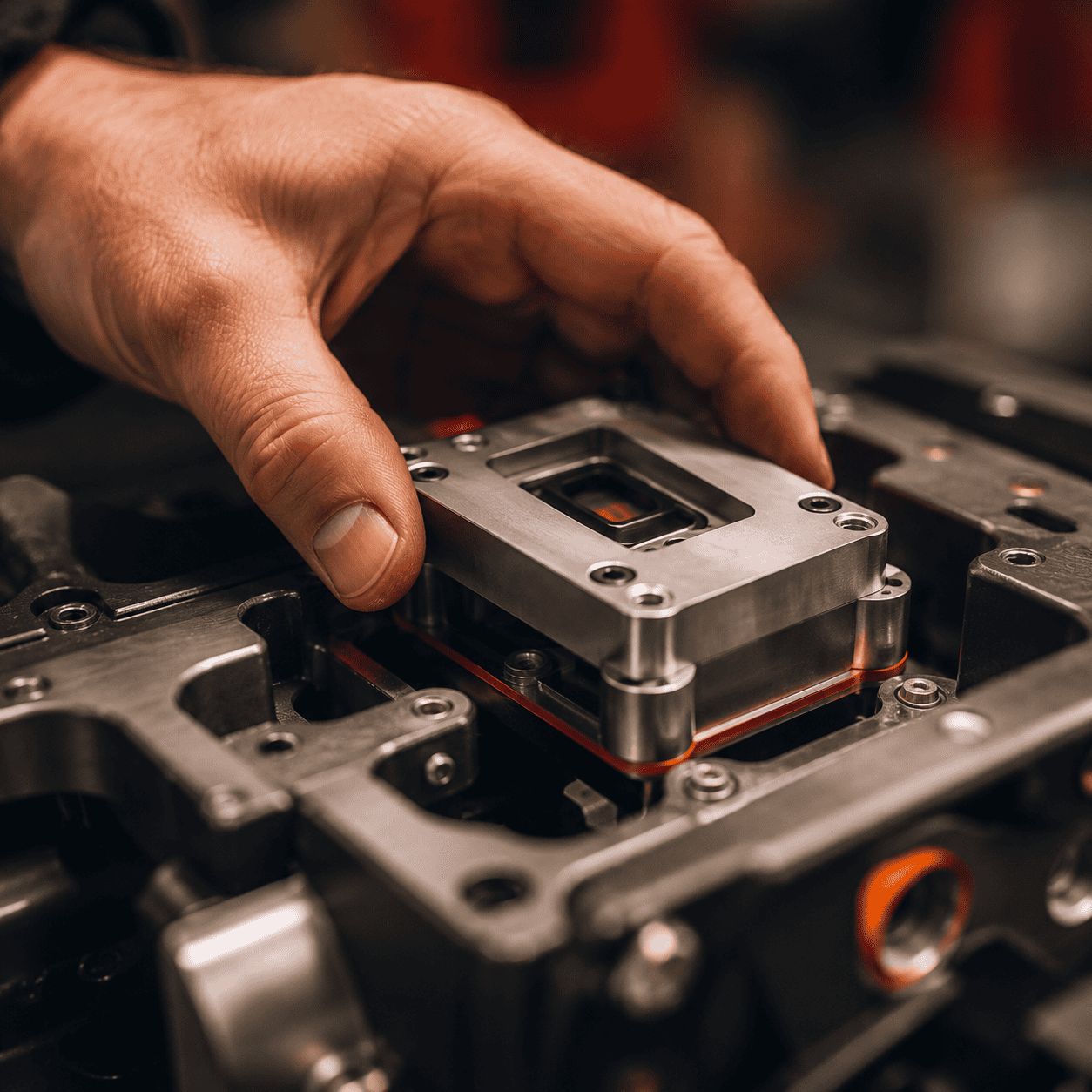
Our Approach to Integration


Applications demanding compact packaging
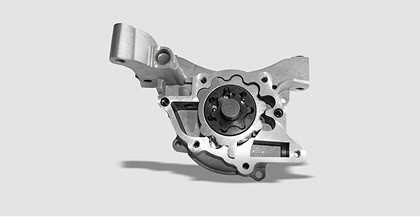
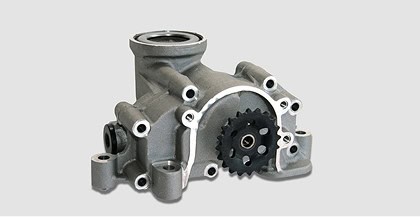
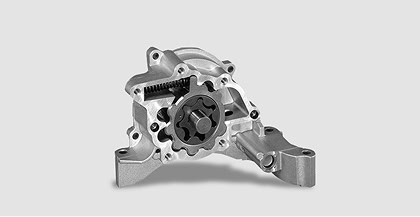
Validated integration performance.
We optimize prototypes on our test rig for flow delivery, suction behavior, pressure stability, leakage, pulsation, and power consumption—100% tested with full test reports. This supports customer validation and series readiness with production partners.
FAQs
Quick answers to practical engineering questions about oil pump packaging, system integration, suction paths, interfaces, compact design, validation, and series-ready development.
Because pump performance depends on installation space, suction conditions, mounting position, drive interface, oil routing, and housing geometry. If these constraints are frozen too early, hydraulic performance and manufacturability become harder to optimize.
Often, yes. TPV can evaluate the available envelope, gear set, suction path, leakage gaps, housing design, and outlet geometry to identify improvements without requiring a complete system redesign.
Common issues include restricted suction paths, unfavorable inlet geometry, limited axial length, complex mounting interfaces, poor outlet routing, housing stiffness problems, and tight spaces around crankshaft, sump, transmission, or electric drive components.
Useful inputs include CAD or STEP data, available envelope, mounting concept, drive type, shaft position, suction path, outlet interfaces, pressure and flow targets, oil temperature range, surrounding components, and known installation constraints.
A poor suction path can increase cavitation risk, noise, pressure instability, and reduced flow delivery. Packaging and hydraulic layout must therefore be developed together rather than treated as separate topics.
Ideally before housing, interfaces, drive concept, and oil circuit routing are fully frozen. Early involvement helps align compact design, hydraulic performance, validation requirements, and production readiness.