
From prototype hardware to validated pump performance
In the validation phase, functional prototypes are tested on defined operating points. The goal is to confirm real oil pump performance, identify optimization potential, and document whether the system meets the required hydraulic and mechanical targets.
What we need for oil pump validation
Reliable validation depends on a clear test scope. Prototype status, target values, operating conditions, and measurement priorities define how the pump system is evaluated.


What testing & validation verifies


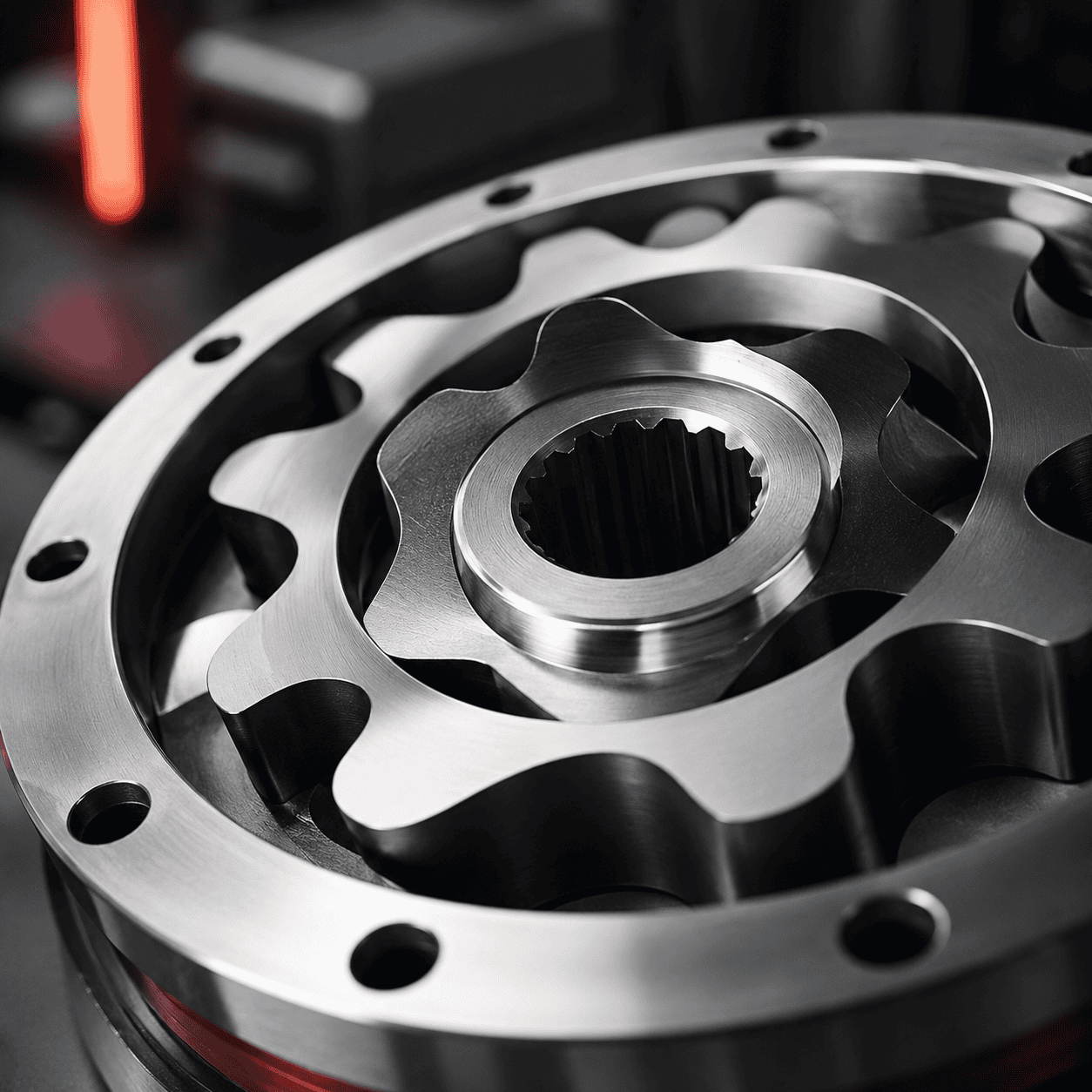
A compact workflow for test rig validation
We define the operating points, measurement scope, oil conditions, temperature range, and validation priorities.
We prepare the prototype, interfaces, instrumentation, test conditions, and measurement setup for functional validation.
We measure flow delivery, pressure stability, leakage, power consumption, pulsation, NVH behavior, and temperature influence.
The results are documented and used to support design optimization, customer validation, and production preparation.
The output of testing & validation


Validated performance before series preparation.
Testing and validation provide the measured performance basis for customer decisions, design optimization, and production preparation. Every relevant prototype can be tested with documented results before the pump system moves into the next development stage.
FAQs
Quick answers to practical questions about oil pump testing, prototype validation, test rig measurements, performance documentation, and preparation for series readiness.
Typical validation includes flow delivery, pressure stability, leakage, power consumption, pressure pulsation, NVH behavior, relief valve behavior, suction performance, temperature influence, and relevant operating points.
Simulation helps predict behavior, but physical testing confirms real pump performance under defined conditions. Test rig validation verifies measured flow, pressure, leakage, pulsation, noise behavior, and power consumption.
Useful inputs include prototype configuration, test objectives, operating points, pressure and flow targets, oil temperature range, viscosity, measurement priorities, and any known risks from concept, simulation, or prototyping.
Yes. Validation often reveals optimization potential in leakage, pressure stability, pulsation, NVH, suction behavior, power consumption, or relief valve behavior. These findings can guide targeted design updates.
Yes. Test results are documented in reports that support customer validation, internal engineering decisions, design optimization, and preparation for production transfer.
After validation, the pump system can move into design refinement, production preparation, supplier alignment, series ramp-up planning, or additional test cycles depending on the project status and performance results.