
From engineered design to functional pump hardware
In the prototyping phase, the oil pump design is translated into physical components for functional testing. The goal is to build hardware that reflects the intended geometry, interfaces, clearances, and hydraulic behavior closely enough for meaningful validation.
What we need for oil pump prototyping
A reliable prototype starts with a frozen or clearly defined design basis. Geometry, interfaces, operating targets, and test objectives determine how the prototype is prepared.


What prototyping prepares


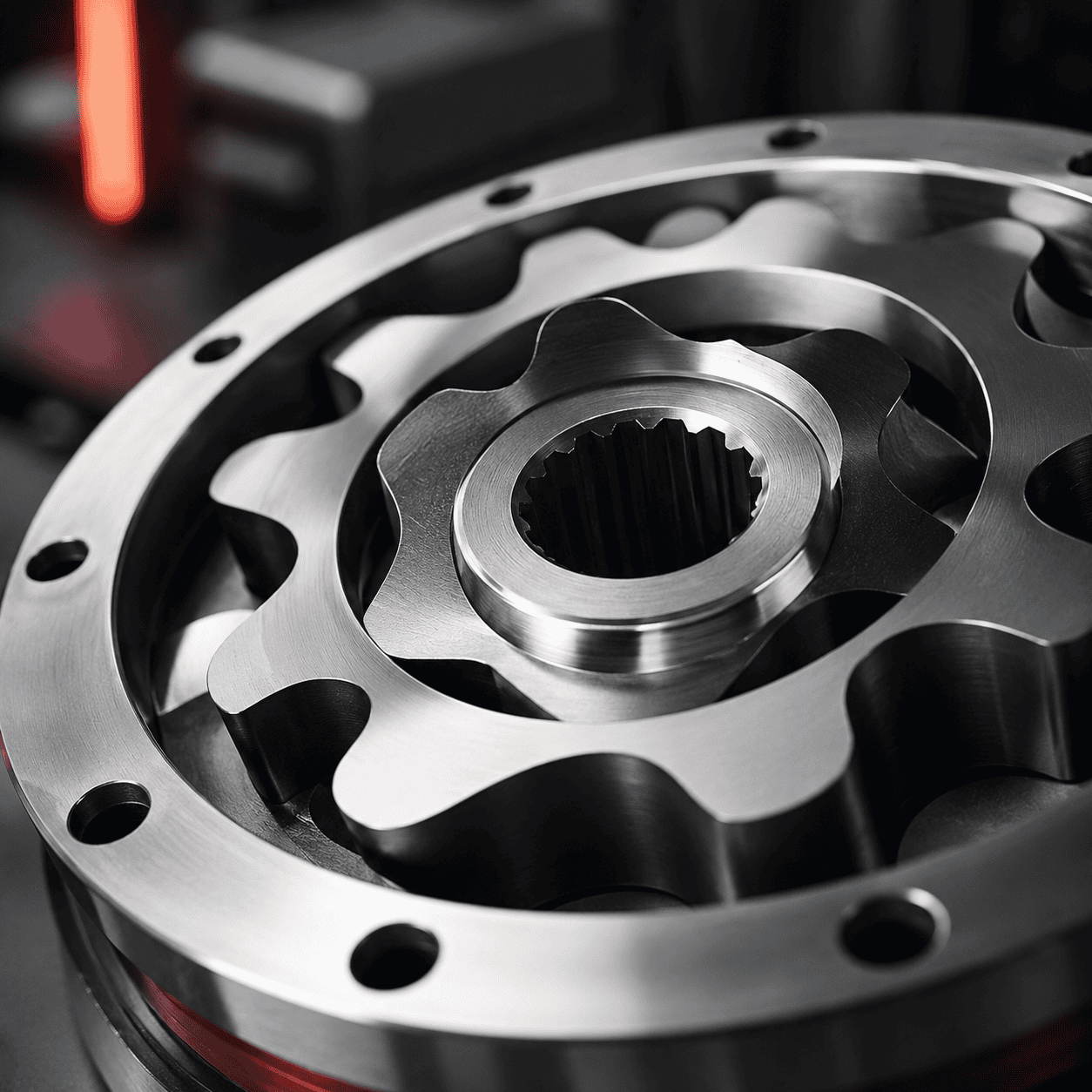
A compact workflow for functional prototypes
We review the prototype-relevant geometry, interfaces, clearances, materials, test targets, and manufacturing requirements.
We prepare the required components, housing features, gear set, interfaces, and test setup for functional pump hardware.
We check prototype fit, critical clearances, mounting logic, rotation, sealing, and test readiness before validation.
The prototype is prepared for test rig evaluation, performance measurement, optimization, and documentation.
The output of oil pump prototyping


Functional hardware before test rig validation.
A well-prepared oil pump prototype helps make validation more efficient. It provides functional hardware for measuring real hydraulic behavior, confirming design assumptions, and identifying optimization potential before production preparation begins.
FAQs
Quick answers to practical questions about oil pump prototyping, functional hardware, prototype preparation, test readiness, and the transition into validation.
Oil pump prototyping turns the engineered design into functional hardware for testing. It helps verify flow delivery, pressure behavior, leakage, pulsation, NVH behavior, power consumption, and assembly-related assumptions.
Prototyping usually starts after the key design decisions are defined and the prototype-relevant geometry is ready. The design does not need to be final for series production, but it must be clear enough for meaningful testing.
Important checks include gear geometry, clearances, housing interfaces, suction and outlet paths, shaft and drive interfaces, material assumptions, sealing points, test rig compatibility, and measurement requirements.
Yes. Prototype testing often reveals optimization potential in pressure stability, leakage, suction behavior, pulsation, NVH, power consumption, and assembly details before the pump concept moves toward production preparation.
For many conventional prototype projects, functional prototypes are typically available within 3–4 months after design freeze, depending on complexity, interfaces, manufacturing scope, and test preparation.
The prototype usually moves into test rig validation. Results are used to confirm performance, document measured behavior, optimize the design, and prepare the pump system for the next development or production-transfer step.