
From requirements to a feasible pump concept
In the concept phase, the key engineering decisions are made: pump principle, gear set, drive type, suction path, pressure strategy, housing logic, and integration into the surrounding engine or transmission system.
What we need for concept design
A strong oil pump concept starts with clear input data. The more accurately the operating window is defined, the faster the pump architecture can be evaluated.


What concept design defines


A compact workflow for early decisions
We review technical targets, operating points, available package, interfaces, oil data, and customer constraints.
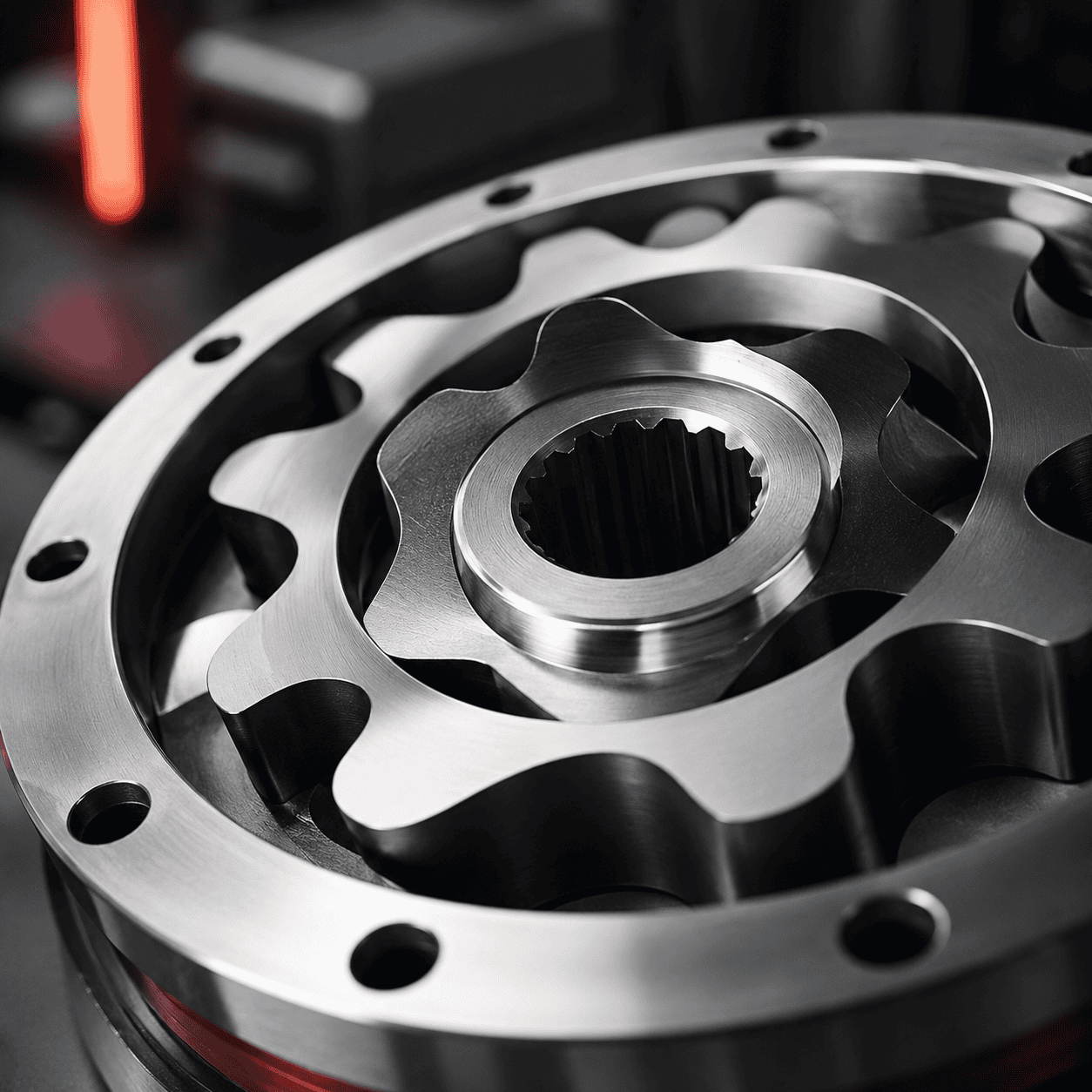
We compare feasible oil pump concepts and evaluate gear set, displacement, housing, drive type, and hydraulic layout options.
We identify early risks around suction behavior, leakage, pressure stability, pulsation, NVH, durability, and manufacturability.
The result is a structured basis for detailed engineering, simulation, prototype planning, and validation.
The output of concept design


Clear concept before detailed development.
A solid oil pump concept helps reduce redesign effort before detailed CAD work, prototype manufacturing, and validation testing begin. It connects customer requirements with a technically feasible pump architecture.
FAQs
Quick answers to practical questions about oil pump concept design, feasibility checks, development inputs, and the transition into detailed engineering.
Oil pump concept design defines the first technical architecture of the pump system. It covers pump principle, gear set, housing logic, drive interface, suction path, outlet routing, pressure strategy, and package fit.
It should start before the pump envelope, interfaces, oil routing, and pressure-control strategy are frozen. Early concept work helps avoid later redesign loops and packaging conflicts.
Useful inputs include flow rate, pressure targets, RPM range, oil type, viscosity, temperature window, available package, drive type, mounting interfaces, NVH targets, pulsation limits, timing, and production constraints.
Yes. TPV can evaluate existing packaging, interfaces, and system constraints to define a pump concept that fits the available space and still supports the required hydraulic performance.
It is not a full production design. The goal is to define a technically feasible direction, identify risks, and create a clear basis for calculation, 3D design, simulation, and prototype planning.
The concept normally moves into hydraulic calculation, detailed 3D design, simulation, prototype manufacturing, test rig validation, and preparation for transfer to production partners.