

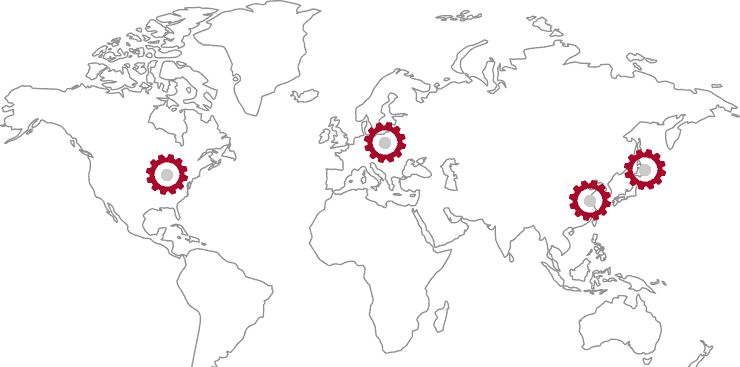
Explore oil pump system architectures
Select your application area to see typical requirements and custom engineering solutions.
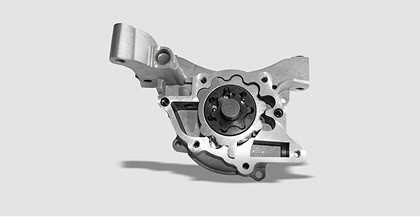
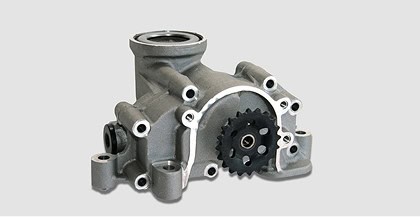
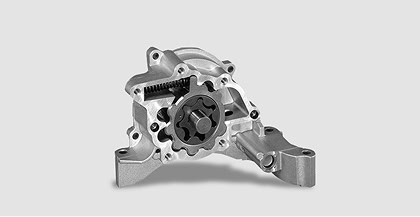
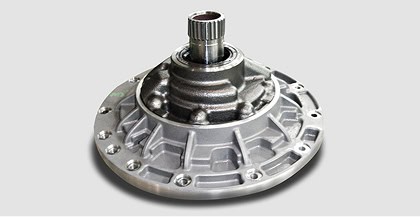
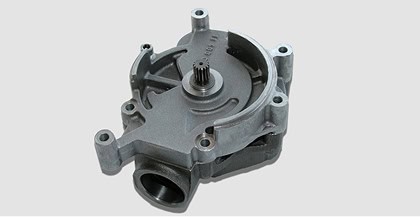
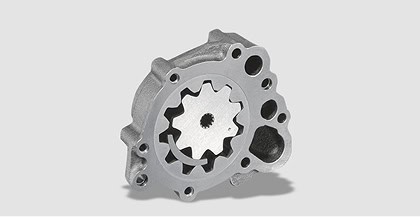
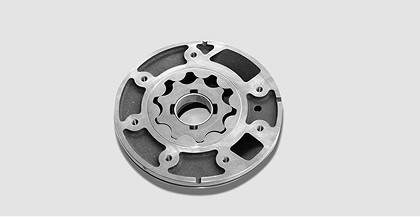
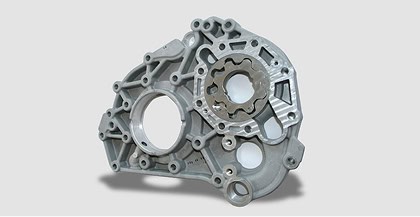
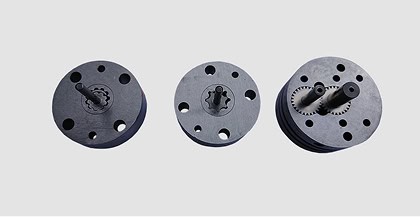
Engineering solutions for common oil pump challenges
When standard designs reach their limits, we develop a custom oil pump solution tailored to your specific requirements, optimizing pressure control, pulsation, NVH, and performance within tight packaging constraints.


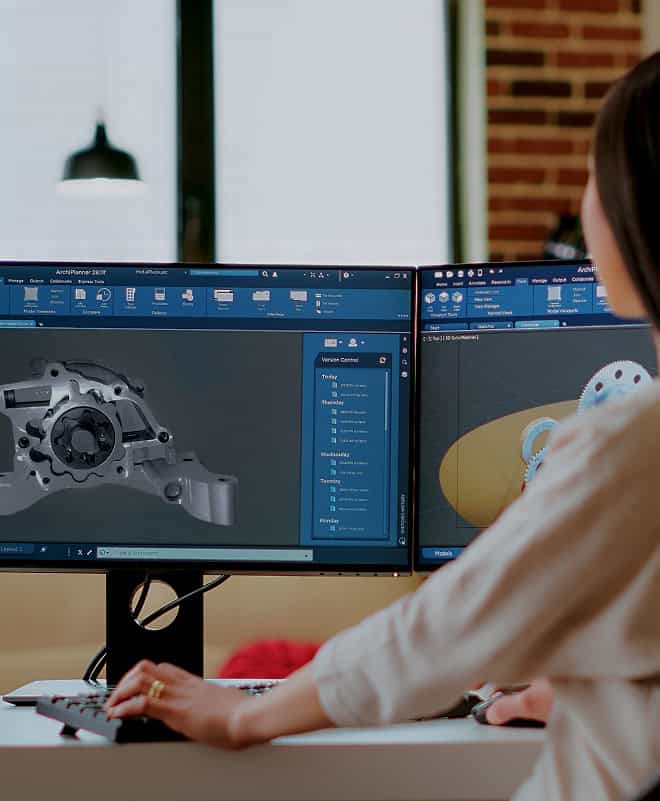
From requirements to validated prototypes
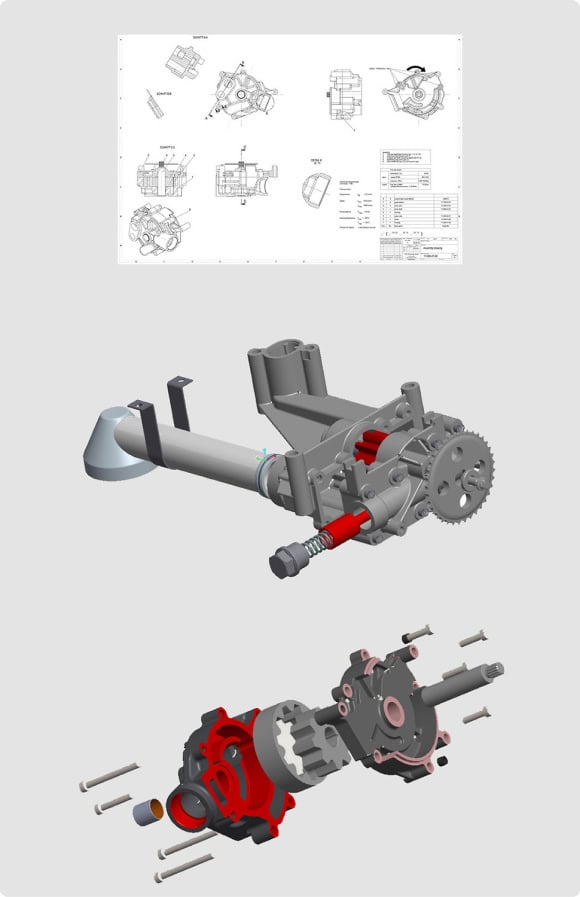
A clear workflow tailored to your application, covering concept development, simulation, prototyping, validation testing, and series ramp-up with production partners.
Requirements
Kick-off & application review
Requirement specification + application targets
Concept
System layout & gear set design
3D design + initial drawings
Simulation
Hydraulic calculations & CFD
Hydraulic performance data + simulation results
Prototyping
Prototype manufacturing
Functional prototypes for test bench validation
Validation
Prototype test rig optimization
Validated pump system ready for production preparation
Series
Ramp-up with production partners
Series-ready production setup with established partners
FAQs
Quick answers to common questions about oil pump custom development, timelines, validation, and how we support series ramp-up through production partners.
As early as possible. The biggest impact is achieved during layout and concept definition, before packaging, shaft position, pressure targets and housing interfaces are fixed. TPV can also support later optimization projects, but early involvement gives more room for efficiency, integration and cost improvements.
Yes. TPV can work with existing installation spaces, shaft positions and interface constraints. In these cases, the focus is on finding a technically feasible pump concept that improves hydraulic performance, packaging fit, durability or efficiency within the given limits.
TPV optimizes the pump system around the actual lubrication demand. This includes gear set geometry, flow behavior, pressure regulation, internal leakage, friction losses and pulsation behavior. The goal is reliable oil supply without unnecessary overdelivery.
Yes. TPV has long-term experience with engine and transmission oil pump systems. The development approach depends on the application: lubrication demand, oil temperature, pressure range, speed profile, packaging space and durability requirements are evaluated individually.
Typical input includes target application, installation space, drive concept, shaft position, speed range, pressure and flow requirements, oil data, temperature range, duty cycle, expected lifetime and available interface geometry. If not all data is available, TPV can help define the missing parameters.
TPV supports the full path from concept and layout to simulation, prototype coordination, test rig validation and preparation for series production. For manufacturing, TPV works with established production partners.